jueves, 17 de julio de 2014

Spending Holidays Far from Home

I've always been a fan of holidays. I don't go crazy decorating or bake crafty things from Pinterest, although I'm always game for a holiday-themed cocktail. Now, I love holiday decorations, I just don't like doing it myself. I let others around me make the effort and just enjoy looking at the fruits of their labor; I'm more of a passive holiday-enjoyer. I guess what I'm trying to say is that I like holidays a regular amount. Like everyone, I enjoy the time off and the long weekends, the once-a-year culinary delights and ensuing food coma, the whole hullabaloo. And I like the memories and the family traditions.

 No flags or lakes or family cabins this year. No happy dogs running around, no burgers and s'mores, and no card games.

Which is why spending holidays in a foreign country is weird. The traditions are different. Things look different. Your family's not there. And especially when it's a strictly national holiday (like the 4th of July), you don't get to enjoy other people's decorations. We've already established that I'm too lazy to decorate myself, so this year I felt a distinct lack of red, white, and blue around me. And that made me a bit sad. As far as I could tell, the U.S. Embassy in Lima didn't host any sort of celebration for citizens, and since I don't know too many Americans here I felt my patriotic stirrings deflate at the prospect of not celebrating the 4th. 

But then, Jorge and I received an invite to celebrate with some friends. Not just any friends, but my British friend Nilma and her husband Dom! We watched the World Cup game (in Spanish) and drank British beer. Not quite the holiday traditions that I'm used to, but it was great spending time in such good company and I felt immensely cheered up. After the game, we put on some Beach Boys and had a cookout, which felt slightly more patriotic.

The hostess with Jorge and me
 
While it wasn't quite the celebration I was used to, I ended up having a great time (and great beer - try Fuller's if you haven't already). Just goes to show that while holidays living abroad will always be different, they can be just as much fun.

miércoles, 9 de julio de 2014

The Terror of La Ducha Electrica

Anyone who has traveled in South America (and not stayed exclusively in luxury hotels) has run across this delight:


Yes, the electric shower. Mixing electricity and water sounds like a great idea, right? Electric showers are ubiquitous here due to their low cost and the limited space they take up. The alternative is a water heating tank, which is expensive and requires an area to put it in, which many apartments don't have. They come with their own set of problems (such as a risk of explosion from pressure buildup if you forget to turn them off after showering), but in general are far safer than the electric showers.

Well, most people tell me that the electric showers are perfectly safe IF they are properly installed. That's a big if, considering that jack-of-all trades handymen are a dime a dozen around here. I'm glad I was more naive while I was traveling, because thinking back on all those questionable hostel showers makes me shudder, and given the state of some of the hostels in general, I would doubt that they spent a lot of money on a licensed electrician.

I was inspired to write about this topic by events that transpired this week. (Hi Mom, nothing to see here, I'm perfectly fine!) We have an electric shower, and it served us faithfully for about six months and then simply stopped heating correctly. The water would come out either just shy of lukewarm or eye-wateringly hot, and since Lima gets quite chilly we decided it was time to remedy the situation. We bought a replacement part (something to do with the resistance and the cables that get burned out) and had someone install it. Then we tried it out. Blessedly, perfectly warm water! Oh, the joy. Until... wait, were those...? Yes, SPARKS coming out of the electric shower. So I hightailed it right out of there faster than Speedy Gonzalez. 


The solution? Well, we'll probably buy a new shower and hire a licensed electrician to install it. Although electric showers give me the creeps a little bit, millions of people use them every day and are still alive. We've been using ours for over eight months and only had this problem after the new installation. And if you're wondering what today's takeaway is, always pay the extra money for licensed professional.

martes, 27 de mayo de 2014

One Year!

Two days ago, May 25th, marked one year of living in Peru. A year ago, I was just coming back from my backpacking adventures in Ecuador and Peru to settle down in Lima. I had a second family and a handsome Peruvian waiting for me, and I was eager to start my life here. I thought I knew Peru from my adventures, but I had no idea what the year would have in store for me. It's been a difficult road, but I can finally say that I feel at home here.

It was exciting and incredibly fun to be on the road, backpacking around, but I was really starting to miss having a home base. I wanted to nest, to buy pots and pans and cute mugs, and to unpack my things for the first time in five months. I wanted to sleep in the same bed every night. And I was very anxious to see Jorge again.

 
 I missed that smile.

Milestones

I remember how excited I was when I got my first job. In retrospect, it was a total grind and the pay sucked, but at the time I was elated. A year really gives a lot of perspective. And my first place: one room with a shared bathroom and claustrophobic entryway/kitchen space, with roommates allergic to cleaning and a car alarm constantly going off in the wee hours of the morning. But it was mine! Jorge helped me paint the walls, I bought a nice quilt, and I unpacked.

 Home sweet home with a new paint job and a new quilt!

I really struggled with homesickness and culture shock. I speak excellent Spanish, but the fact is that I will always be more able to fully express myself in English. I missed friends I could speak English with. In fact, I missed having friends: I got on well with Jorge's friends, but I hadn't really made any friends of my own. I was completely oblivious to the thriving expat culture here in Peru, and now I can't believe I didn't get involved sooner. In my desire not to be that person who only has expat friends and doesn't integrate into the culture, I isolated myself from people who could understand what it's like to be a foreigner. This year, I've made some great friends from all over the globe, and I couldn't be happier.

We've got three continents covered here. Missing from the pic: Jess to make four, and Tanya to represent Canada!

Then, Jorge and I moved in together in October. That was a first for both of us, and a big step for me. Where would we put all our stuff? What if we stepped on each others' toes (literally and figuratively, living in such close quarters)? When we finally decided to take the plunge, it was time to look for apartments, and oh what a headache that was. If money is no object, you can have your pick of modern luxury apartments, but personally I have no idea who can afford those places. The only people I know who live in that kind of apartment are government employees who don't pay their own rent. (Ahem, now you know where your taxes are going, US residents.) Otherwise, it is a long trudge through Sunday newspapers and varying degrees of disappointment. We saw a couple places that can only be described by the word 'squalor'. And they were still trying to charge $400 a month! Unbelievable. The good places that won't break the bank all get snapped up by 10 a.m., so you have to get up and get calling bright and early. Finally, after about two months of hunting, we found a small studio apartment in a great area and breathed a sigh of relief. We wake up to the sound of the birds chirping every morning, we're close to everything we need, and we can barely hear the famous Lima traffic.

One Year Later

After a year of being here, I finally feel comfortable. I can get around with ease and bargain like a Peruvian, and I know where to get a good bite to eat. I've learned so much Peruvian slang that I've forgotten the "correct" words. I love being by the ocean and never having to worry about snow. Or frost. Or ice.

There are still times when I miss Minnesota and San Francisco. Most of them involve food: ingredients I can't get here, restaurants I remember fondly, and American breakfasts at greasy spoons. I miss my friends and my family. I miss having a car, and being in a place where driving a car wouldn't scare the living daylights out of me. But at the risk of sounding sappy, I can say that Lima has slowly made a place in my heart, too, and has taken its place alongside all the others that I have called 'home'.


miércoles, 21 de mayo de 2014

Point/Counterpoint: Food

Ah, food. The pleasure we take in eating goes far beyond satisfying a simple biological need: it is a social activity, a creative outlet, and it connects us to the natural world around us. But unless you are a farmer, food isn't free and it can get quite expensive. And even if you are a farmer, you can be limited by what foods grow in the local climate. In this segment, I'll take a look at all aspects of food: variety, quality, cost and shopping options, eating in restaurants, and of course taste!

Food Shopping

In the US, you buy your food at grocery stores, co-ops, or farmer's markets, or the occasional specialty market (for Chinese vegetables or authentic Mexican chilis, for example).  Among all those options, you can find pretty much any ingredient your heart desires, including imported products, organic produce, every variety of cheese (swoon), etc. And all at extremely reasonable prices. Not to mention rotisserie chicken! Believe it or not, Peru doesn't have that and I have to say I miss it. When you make a grocery run but really don't feel up to cooking that day, it is the absolute best thing.

 This platter would probably cost my whole month's salary.

Now, Peru has grocery stores, naturally. But they are expensive: they range from pricey to who can even afford this?? Even the "cheap" grocery store is expensive in my opinion. And when it comes to imported products, forget it. There are so many things I would love to buy but don't because they are just too overpriced here. I have all but given up cheese. Sour cream? Pipe dream. Peanut butter costs $8 for a medium-sized jar of mass-produced stuff. I haven't seen organic or natural chicken stock anywhere and am just about at the end of the jar I brought back from the US. Think raspberries are expensive in the states? Think again: they're twice as expensive here. And chocolate? While Peru is a major producer of both cacao and coffee beans, the finest products are all exported. Good-quality chocolate and coffee is just as expensive here as in the states, if not more so.

Now, this whole stall would cost less than half of that.

However. Peru has two things the US doesn't: local markets and corner stores. The local markets are a wonder: they have everything you need in one place, all for incredible prices. In addition to food, there are stalls with tailors, shoe repairmen, jewelers, flower sellers, pirated DVDs, and more. And the produce is something else. Some markets have more variety than others, but to give you an idea of the abundance of Peru's variety, the country is home to over 3,000 varieties of potato (you can usually find about five or so in the markets), more fruits than I can name including at least ten types of bananas and plantains, amazing chilis, the world's most delicious limes, and ancient grains like quinoa and amaranth. Whole cinnamon costs fifty cents for a handful. Old ladies sell spicy homemade sauces for similar prices.

The corner stores don't have quite as much variety, especially for fresh produce, but they have everything from toilet paper to beer to salt, and you're never more than a couple blocks from one. There are five within a five-minute walk of my apartment. It's one thing I'm going to miss terribly when I leave.

Eating Out

Lima's restaurant scene is exploding, along with international recognition. Two Peruvian restaurants were among the top twenty in the world, according to the San Pellegrino rankings that came out last month. Peru has a rich culinary tradition with many different influences, and each region has its own specialties. The quality of local ingredients and the expertise of the chefs means that at almost any restaurant you choose, the meal will be exquisite.

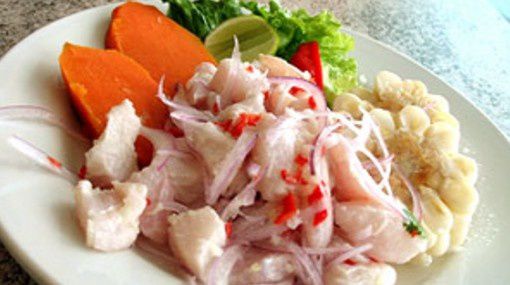
Ceviche from a Peruvian chef was named the tastiest dish in the world according to Chowzter.

There's no denying that Peruvian food is mouth-watering-ly delicious. However, if you eat out a lot, your pocketbook will take a hit. The average price for a good meal out is around S/.30, not including a beverage, which is around $12. It doesn't sound so bad, but considered in terms of local earnings, it's prohibitively expensive for a lot of people. And the high-end restaurants, including the two in the top twenty best restaurants in the world? They'll run you much more, so unless you're here on a fat expat package or practice law, stay away.

The other thing I miss about eating out in Lima is variety. There's one Thai restaurant in Lima, and luckily it's within walking distance! There's also one Indian place. But in general, the variety of ethnic restaurants that is so prevalent in the US simply doesn't exist here.

Oh, and I definitely can't deny that I really crave good, authentic pizza (very underwhelmed with most of the pizza here) and a good burger. What I'd kill for is a juicy burger topped with blue cheese, a side of sweet potato fries, and a kolsch.

Which brings us to...
Point: US, for variety, price point, and burgers (joking, except not really). This was a close one, but ultimately I miss being able to find specialty ingredients and being able to eat out without breaking the bank. I'm sure any Peruvians reading this will be scandalized, and I'm sure I'm going to get flak for this!

jueves, 15 de mayo de 2014

What's a Person Gotta Do to Get a Job Around Here?

I'm tired of being underemployed. I can say that far and beyond any other thing in Lima, the employment situation is the single most frustrating part for me and I'm guessing many other expats who come down without an expat package with a foreign company. It's one of the main reason expats leave: they're tired of teaching English, and they're tired of scraping by. Lima is either very cheap or very expensive depending on your employment situation. For English teachers, it's usually very expensive.

Now, having said that, I'm not starving and I have a flourishing social life. I spend more than is prudent on alcohol and eating out, although I do cook a lot, and my home is full of beautiful things. HOWEVER. I have a college degree, a teaching certification, and over three years' experience doing what I do, and I earn around $10 an hour teaching at institutes. This is pretty standard pay, although it doesn't seem to vary much with experience. Thankfully, I no longer have to schlep all over town like I used to, but institutes are not good to their teachers. There is no contract and no health insurance (I have private insurance now). According to Peruvian law, workers on contract are paid an extra salary in July and December, called gratificación. Institutes (and language departments of universities, by the way) will bend over backward to avoid paying this. It's a depressing situation.

Universities are no less exploitative, but the pay is better, and private students will pay double what you make at an institute. The dilemma with that is that you have to go all over town to their houses or businesses (see "schlepping" above).

And what if, gasp, you don't want to teach English? Well then my friend, you have got some pretty slim pickings. Most jobs for skilled workers, like engineers or geologists or technology experts, are hired from overseas. The jobs advertised locally in Peru are few for English speakers, and essentially none if you don't have a carné (residence permit). There are a few openings at the US Embassy, but I don't want to imagine the volume of resumes they receive. Full disclosure: I applied for two positions and still haven't heard back. I've got an interview on Friday for a company that hooks up qualified Peruvians (read: rich and fluent in English) for a seasonal work visa in the US. It was advertised as an "English interviewer" position, and I was thrilled at the prospect of not teaching English. Until, you guessed it, in the initial interview I was told they want to start an English program for culinary students whose English falls a bit short, and they need someone to design and teach the curriculum. So you see, it seems you just can't get away from it. :)

viernes, 11 de abril de 2014

Point/Counterpoint: Transportation in Peru vs. the US

All the blogs I follow have been writing posts like, "Top Ten Reasons Peru is Better Than the US" or "Ten Things I Miss From Home." It's interesting and entertaining to explore the differences between Peru and the US, but I want to do a more in-depth analysis. Besides, let's spread the fun out over more than just one post. So I decided to make Point/Counterpoint, where I compare one aspect life in Peru and the US, and award a point to one country. I don't know if I'm using the phrase "Point/Counterpoint" correctly, but who cares?

Today, I want to talk about something fundamental but often overlooked in travel guides and other discussions about places: public transportation. If you don't have a car, then this can affect your everyday life in a major way.

Transportation in Peru

"Public" transportation is a misnomer, since the bus companies here are actually competing private businesses. The city of Lima only has two public transportation systems, the Metropolitano bus line and the elevated train. They both get crowded during rush hour, but otherwise they're fantastic. The problem is that they cover a very limited range. But not to worry, for wherever else you need to go, there are a multitude of vehicles to get you there. You can get virtually anywhere in the city on a bus, unlike most US cities (cough Mpls/St. Paul).

El Metropolitano. Source: La Republica

Additionally, the buses are so plentiful that if you miss your bus, another will be along in less than 10 minutes. Add the fact that fares are based on how far you're going and you don't need exact change (there is a cobrador who collects the fare), and Peru is looking pretty good.

However, there are definite downsides. Buses here have a horrific track record when it comes to safety. Just this week, there were two separate news reports of bad accidents caused by irresponsible drivers. One of them ran over a pedestrian when the driver went up on the sidewalk to pass another bus. The other incident involved a crash of two small buses that left two dead and many others injured. Both drivers had over 12,000 soles ($5000) in unpaid fines. Because the companies are privately owned, they all participate in a suicidal race to be the fastest, claiming innocent victims along the way.

Source: El Comercio

That being said, if you know which buses and companies to avoid (and watch where you're walking), I don't feel that it's a whole lot less safe than anywhere else. I never get in the small combi vans or the mid-size buses you see in the picture, instead using the big buses that are generally much safer.

Other negatives include pollution from aging buses and a lack of handicap access.

Transportation in the US

Firstly, this analysis is drawn from a limited sample size of cities, since I've only lived in the Twin Cities, Ann Arbor, and San Francisco. Although there were some differences in their transportation systems, there are some generalizations to be made.

First, because the drivers have to go through a background check and safety rules are enforced, buses in the US are much safer than in Peru. They drive the speed limit, stop for pedestrians, and generally drive defensively. Additionally, because of the ADA, handicapped people are also able to use the buses. The buses are modern and for the most part clean, and many cities are using green technology to cut down on emissions.

My old friend, the SF Muni. Source: RentCafe.com

One downside is the fixed fare. If you are only going a short ways, this is kind of unfortunate. On the other hand, transfers can save you a lot of money if you are going a long ways or are just running a short errand. You do need to have exact change though, which means I've bought many packs of gum over the years. And I don't chew gum.

The other negative of public transportation in the US is that because it is public, it has a limited budget. The government simply can't afford to service all the areas of the city, or to have a bus show up every 10 minutes. Which means that sometimes, when it's below zero and you can see your breath, you need to wait a half hour for the bus and then walk 7 blocks to your destination. In the winter, that really sucks.

Overall, despite the poor safety record and other concerns, for me convenience wins the day. Point: Peru.

martes, 1 de abril de 2014

Quilca Book Market

This weekend Jorge and I ventured into Lima's historic district for a shopping trip. I love going to Lima Centro because the architecture is so striking, and the pace of life is completely different from other parts of Lima. There are food carts selling all kinds of things (eat at your own risk), street vendors selling everything from playing cards to screwdrivers, and all sorts of hole-in-the-wall stores selling amazing wares. Sadly, much of the district is dirty and the buildings are in disrepair. A few years ago, the city boarded up a much-loved theater and counterculture meeting place because the structure was deemed unsound.

Old-style architecture on Quilca boulevard

 Quilca boulevard is another beloved part of downtown, home to many secondhand and "informal" book markets and antique stores. I love reading fashion magazines and had been missing my fix since coming to Peru because magazines are prohibitively expensive here. In a bookstore, a current issue of Vogue goes for S/. 30! That's more than $8 and way more than I'm willing to pay. Even Peruvian magazines go for $6 and up. But the Quilca markets have outdated and secondhand magazines for as little as $1.


These shops aren't much to look at, but they have some fascinating things for sale. I saw Bill Clinton's memoir (in English), old Spanish language versions of Life magazine, vintage Penthouse magazines, and German erotica. I wasn't exactly looking for anything racy, however, so I headed for the stacks of back issues of fashion magazines. All in all, I got four magazines and Jorge got 2, all for under $15.


In between all the secondhand book markets, there are tiny antique stalls with really eclectic offerings. There were lots of old coins, some jewelry, and whatever else they thought might sell. My favorite was this troll wearing a Cusqueña beer shirt next to the Hulk fist.  This is why I love going downtown; you never know what you'll find!